Page contents
01
A photographic example led to a graphic image
A work record from July 2, 2026 documents an issue where selecting an example of concrete architectural photography produced a flat graphic image.
- What I decided
- I retained text input for actual generation and aligned examples and actual generation to use the same medium and style description. I required examples to be regenerated when that description changes.
- What AI implemented
- The A12 check detects a mismatch between the current style description and the example record.
- Check records
- In isolated-input checks on October 18, 2026, valid inputs passed; medium–description mismatches and description–example-record mismatches failed.
Below are the previous and current public examples for that style ID, cl266.
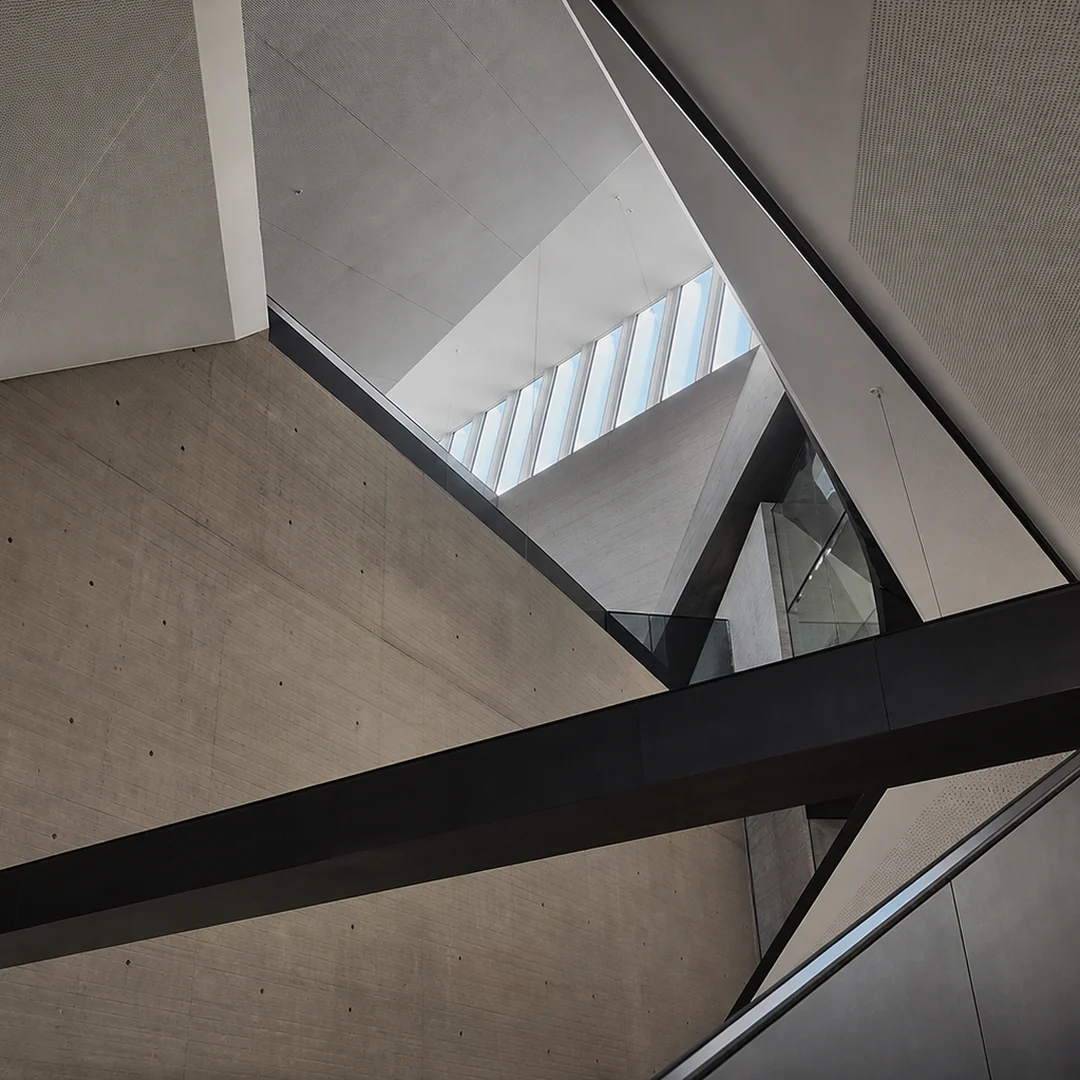
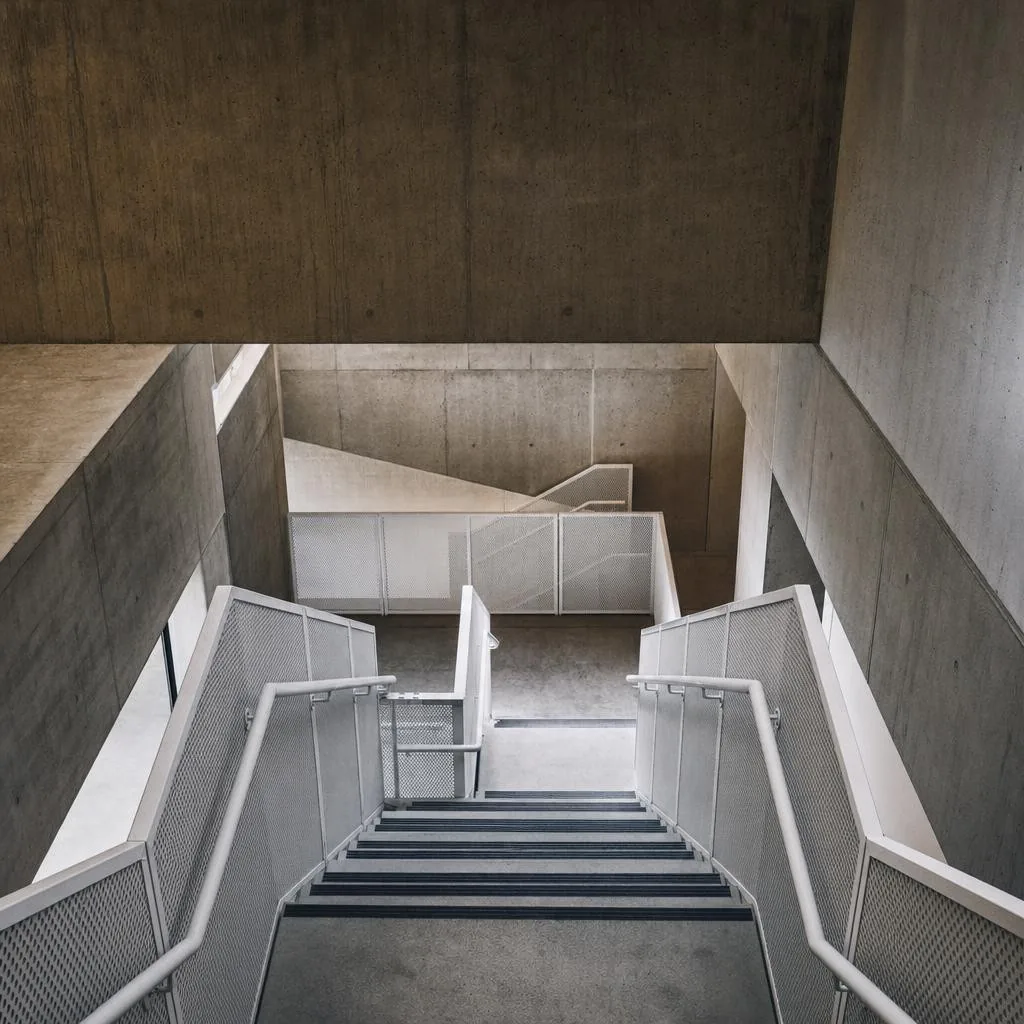
I could not find the graphic output in the retained materials, so I cite the work record for that result. These two examples are not before-and-after outputs for the same request.
03
What gets fixed after a check fails
A11 compares the medium label with the wording of the description; A12 compares the current style description with the example-generation record. When either check finds a mismatch, the person responsible updates the relevant input or example.
- A11 · Medium and description
- A photograph label with photographic wording passes. A photograph label with only oil-painting wording, or no wording describing the medium, fails. The person responsible corrects the description and reruns the check.
- A12 · Description and example record
- The check compares the hash identifying the current description with the value in the example record. Matching values pass; changing the description without updating the record causes failure. The person responsible regenerates the example from the new description, updates its record and reruns the check.
A12 also fails if an individual example record is missing for a displayed style. If the entire record file is absent, however, it treats this as a state where examples using the new method have not yet been created and skips the check.
The checks report mismatches and their causes. They do not block live generation requests or automatically replace examples. They do not inspect the actual images to judge quality.
Expand cl266 check examples, commands and record details
2026-10-18 · A11 and A12 isolated-input checks

A11 pass: photograph + "Photographic grain and hard shadows…"
A11 fail: photograph + "Oil impasto with layered glazes"
A12 pass: 984441e204753b39 = 984441e204753b39
A12 fail: append ", soft morning light" to the existing description; retain the example record

Run: python3 test_pipeline.py --light
Also included in --full
On failure: print the affected style ID and cause; exit code 1

A12 comparison value: first 16 characters of the current description’s SHA-256 hash
Compared with sentence_sha in the example record
04
Evidence scope
Evidence for this caseIssue and change records from July–August 2026, current generation inputs and engine-routing code, check results from October 18, archived examples and the current public image.
What this case does not verifyBefore-and-after outputs for the same request; whether examples were generated from their recorded inputs; the quality of actual generated images or recommendations; and customer impact.
2026-10-18 · Original public cl266 example